
Plants
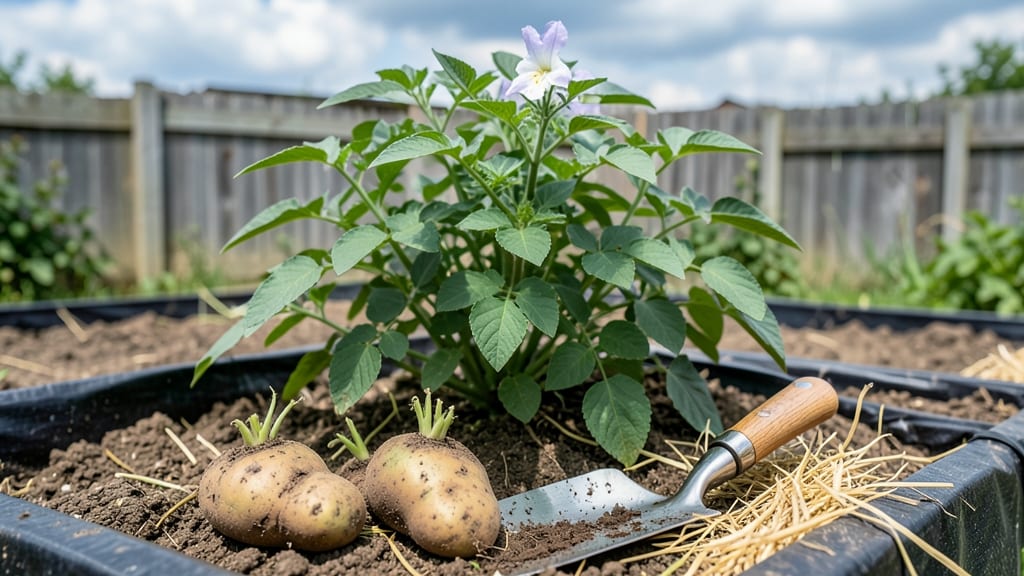
Planting potatoes in Florida isn’t just about throwing seeds in the dirt—it’s about mastering the art of timing to beat the heat and humidity.
With zero frost to worry about but unpredictable summer storms, getting the window right means the difference between a bumper crop of 🥔 Yukon Golds and wasted effort.
Most Florida gardeners assume year-round planting works, but the truth is, the best window shifts by region—North Florida’s cooler pockets vs. South Florida’s steamy summers.
Early March stands out as the sweet spot for most zones, when soil warms just enough to encourage strong sprouts without inviting pests or fungal growth.
Why does this matter? Because planting too early risks soggy tubers, while waiting too long means battling 90-degree soil that stunts growth. I’ll break down the exact steps to time your planting for maximum yield, from soil temperature checks to variety picks that thrive in Florida’s climate.
Ready to turn your potato patch into a high-yielding success? Let’s dive into the secrets that make early March the game-changer for Florida’s frost-free gardeners.
Florida potato planting calendar: best months by region (and why March wins)
Florida’s frost-free climate might make you think potatoes can be planted anytime—but humidity, soil temperatures, and regional microclimates create ideal windows for maximum yields.
Unlike northern states, Florida’s three distinct regions (North, Central, South) each have unique planting sweet spots, with early March emerging as the gold standard for most areas.
The key? Soil temperature must reach 50°F (10°C) consistently, while daytime highs stay below 85°F (29°C) to prevent stress. Florida’s high humidity (often 70-90%) can also stunt sprouting if seeds are planted too early, when fungal diseases like late blight thrive.
March strikes the perfect balance—cool enough for germination but warm enough to avoid chilling injuries.
North Florida (USDA Zones 8a-8b) faces the most variability due to occasional cold snaps, even in winter. Here, late February to early March is ideal, as soil warms to 55°F (13°C) by mid-March. Central Florida (Zones 9a-9b) can start as early as January, but March planting avoids the peak humidity of spring showers, which can rot seeds.
South Florida (Zones 10a-11) has the longest growing season, but summer heat (June-August) stresses potatoes. September-October planting is best here, but March still wins for spring harvests before temperatures climb. The trade-off? March planting in South Florida means harvesting by June, beating the monsoon season.
🌱
March’s success boils down to three critical factors: soil readiness, humidity management, and pest avoidance. By March, Florida’s spring rains taper off, reducing the risk of waterlogged soil, which causes tuber rot.
Meanwhile, aphids and Colorado potato beetles (common in summer) haven’t yet peaked, giving seedlings a 3–4 week head start.
For North Florida gardeners, March planting means tubers mature by June, just as summer’s intense heat arrives.
In Central Florida, a March start yields harvests by May, avoiding the hurricane season (June–November). South Florida’s March potatoes are ready by late May, perfect for early summer meals before the monsoon sets in.
Pro tip: Use black plastic mulch in March to raise soil temperatures by 10–15°F, accelerating germination. This is especially useful in North Florida, where cooler microclimates (like the Panhandle) delay warming.
Pair this with drip irrigation to avoid overhead watering, which spreads fungal spores in Florida’s humid air.
🌿
If you’re tempted to plant earlier (like January in Central Florida), soil temperatures may still dip below 50°F (10°C) at night, causing seed rot. Conversely, planting in April risks blossom end rot as soil dries out. March is the sweet spot: consistent warmth without extreme humidity, giving potatoes the 60–90 days they need to bulk up before Florida’s summer heat kicks in.
For organic gardeners, March is also prime time to amend soil with composted manure or cover crops like clover, which adds nitrogen without overheating the soil. Test your pH (5.8–6.5) in February—if it’s off, lime or sulfur should be added 4–6 weeks before planting to avoid nutrient lockout.
💧
Remember: Florida’s microclimates can vary even within 50 miles. Check your local weather station for 7-day soil temp forecasts—tools like Flor
How to time potato planting for zero-frost success: a step-by-step guide
Florida’s warm climate means potatoes thrive year-round, but timing still matters to avoid false spring temperature spikes or excessive summer heat. Unlike northern states, Florida’s USDA Zones 8a-11 let you plant potatoes almost anytime—but early spring (January-March) offers the best balance of cool soil temperatures and moisture retention.
The key? Start when soil temps hit 50°F (10°C) and stay consistent, while avoiding peak summer’s 90°F+ (32°C+) ground heat.
For zero-frost success, focus on soil prep, variety selection, and protective mulching. Florida’s unpredictable weather—like sudden cold snaps in North Florida—means you’ll need to monitor weekly temperature trends and adjust planting dates.
Let’s break it down into actionable steps to ensure your Yukon Gold or Red LaSoda potatoes thrive without frost risks.
Step-by-Step Guide to Timing Potato Planting in Florida
- 1 Test soil temperature: Use a soil thermometer to confirm temps are 50-60°F (10-15°C). Aim for January-February in North Florida or December-January in South Florida.
- 2 Choose frost-resistant varieties: Opt for Yukon Gold (creamy texture) or Red LaSoda (disease-resistant). Avoid early-maturing varieties like Russet, which struggle in Florida’s heat.
- 3 Prep soil with compost: Mix in aged compost or well-rotted manure to improve drainage. Florida’s clay-heavy soils need 30% organic matter to prevent waterlogging.
- 4 Plant seed potatoes 4 inches deep: Cut seed potatoes into 1.5-inch chunks with 2-3 eyes each. Space rows 30 inches apart to allow airflow and reduce humidity-related diseases.
- 5 Mulch heavily with straw: Apply 4-6 inches of straw mulch to retain moisture and protect tubers from temperature swings. Replenish mulch every 4-6 weeks during dry spells.
- 6 Monitor ‘false spring’ alerts: Sign up for local weather alerts (e.g., NOAA or UF/IFAS Extension). If temps drop below 40°F (4°C), cover plants with frost cloth or move pots indoors temporarily.
- 7 Harvest in 3-5 months: Dig new potatoes when foliage yellows (90 days), or leave for full-sized tubers (120 days). Cure harvested potatoes in 60°F (15°C) shade for 1 week to thicken skins.
Florida’s humid climate can trick you into thinking it’s safe to plant early, but soil temperature is the real indicator. For example, a 70°F (21°C) air temp in January might feel warm, but if the soil is still 55°F (13°C), your potatoes will rot before sprouting.
Always check soil depth (4 inches down) for accuracy.
Pro tip: If you miss the January-February window, plant again in September-October for a fall harvest. Just avoid peak summer (June-August), when tubers cook in the heat and pests like potato beetles thrive. With these steps, you’ll dodge frost risks and enjoy homegrown potatoes year-round!
🌱